
Requesting feedback from the people you manage can offer valuable insight into your leadership skills, working relationships, and how to best lead your team. Asking for that input can feel daunting, no matter how many years of leadership experience you have.
Vulnerability is often uncomfortable, but approaching feedback as an opportunity to grow makes the process worthwhile. Understanding its value and how to request it effectively can help you become a stronger leader.
Why Leaders Need to Ask for Feedback
Everyone needs feedback to grow. According to a Leadership IQ survey, 38% of leaders don’t ask for feedback, and 54% of blind spots persist because they believe their leadership is effective. Asking for feedback is the first step; acting is the more important phase.
Hearing what others observe offers a new perspective on which skills are effective and which could benefit from improvement. Traditional top-down feedback provides only one point of view; understanding what your direct reports need is equally important.
Your team is unlikely to offer feedback without being asked. Giving input to a leader, especially when unprompted, can feel intimidating and vulnerable.
To encourage useful feedback:
- Ask directly
- Explain the skills or situations you want them to assess
- Make participation optional
Setting a timeframe can keep the request from falling through the cracks, but remaining open to feedback at any time creates a culture of continuous improvement.
Earning the trust that encourages candid feedback is a gradual process. You don’t need a perfect relationship before asking for input; the goal is to identify opportunities to improve, not simply collect compliments.
Why Feedback Matters: Simon Sinek on Growth, Honesty, and Leadership
How to Make the Request
Abruptly asking whether someone has feedback can put them on the spot and lead to an unproductive response, as the Society for Human Resource Management advises. Instead, ask specific questions about recent work or shared experiences. This approach feels more natural and gives your team an opportunity to provide timely, actionable input.
- Ask open-ended questions, such as, “How could I have helped this project go more smoothly for you?” or “How can I better support you?”
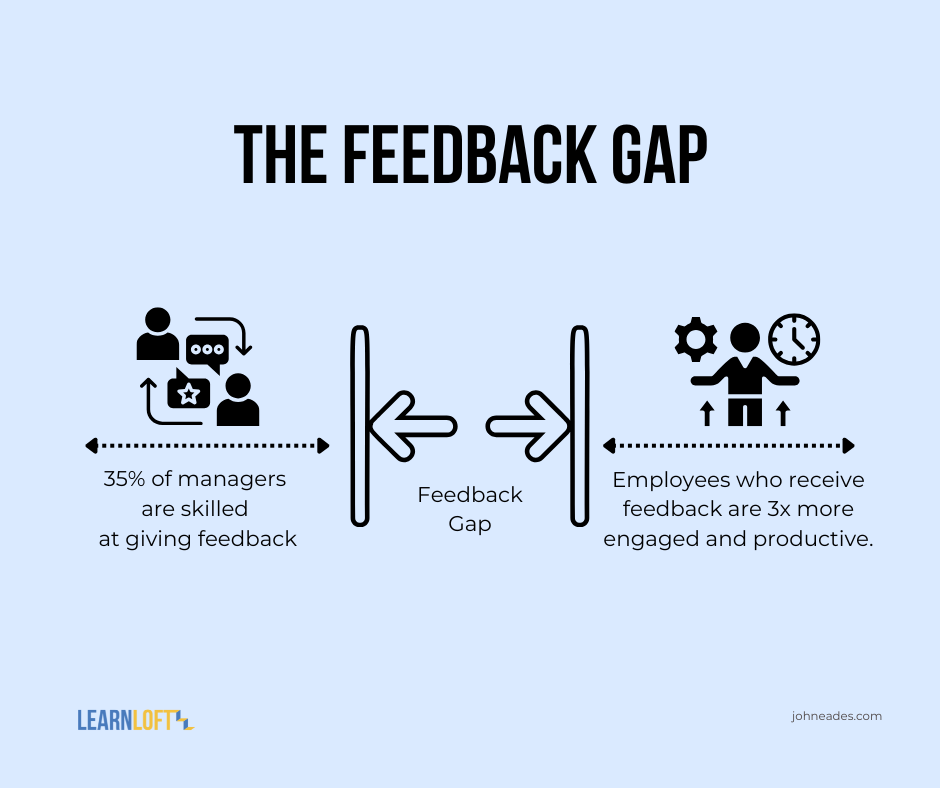
- Offer more than one way to respond. A conversation lets you pay attention to body language and tone, while email gives employees time to consider their answers. However, an anonymous option may help people feel more comfortable sharing candid feedback.
Courtesy of LearnLoft
Good or Bad—How to Accept Feedback
Receiving feedback doesn’t obligate you to act on every suggestion. Some changes may not be possible, the input may reflect a one-time situation, or other factors may shape the perspective being shared. The goal isn’t to respond immediately to every comment. It’s to understand different viewpoints and consider whether they could strengthen your leadership skills and improve your team’s experience.
Shape your response to fit the situation and the feedback shared, but generally:
- Avoid becoming defensive. You don’t need to make decisions as you listen. Thank the person for sharing, note the key points, and give yourself time to reflect.
- Look beyond the exact words used and consider the underlying message. If the feedback doesn’t seem applicable, view it from another angle; it may still reveal an opportunity to improve.
- Talk about the feedback you were given with a trusted mentor or advisor. A Leadership IQ survey shows 84% of leaders never change, even after they receive feedback. Forbes suggests asking this question: “I want to make sure I keep growing and improving, so if you were me, what would you choose to work on?”
- Follow up when appropriate. You don’t need to explain every decision about what you will or won’t implement, but sharing what you learned and how you plan to grow shows that you took the feedback seriously.
Asking for feedback is only the first step. Listening with curiosity, reflecting before responding, and following through where appropriate can turn a vulnerable conversation into meaningful growth. When leaders consistently invite honest input, they strengthen trust and create a workplace where everyone has room to improve.
About Express Employment Professionals
At Express Employment Professionals, we’re in the business of people. From job seekers to client companies, Express helps people thrive and businesses grow. Our international network of franchises offers localized staffing solutions to the communities they serve across the U.S., Canada, South Africa, Australia, and New Zealand, employing more than 11 million since its inception. For more information, visit ExpressPros.com/Employers or ExpressPros.ca/Employers.